


Should everyone could contact you?
In our fast-moving world, being available at all times has become normal—even expected. But if you’re serious about growth, mental clarity, and mastering your direction in life, limiting access to yourself is not just a boundary—it’s a necessity.
This isn’t about being rude or cutting people off. It’s about deciding, with intention, who and what gets your attention. Growth doesn’t happen in noisy rooms. It happens in clear spaces.
The Cost of Constant Access
When everyone feels entitled to your time, you begin to lose your edge. You respond more than you create. You listen more than you reflect. You give more than you restore.
What does this lead to?
- Mental fatigue
- Loss of personal time
- Shallow relationships
- Disrupted focus
- Delayed progress on your goals
If you’re always reachable, you become teachable by anyone—whether they have value to offer or not. You absorb noise, distractions, and low-quality thinking, unknowingly compromising your own standards.
Access Is a Privilege, Not a Default
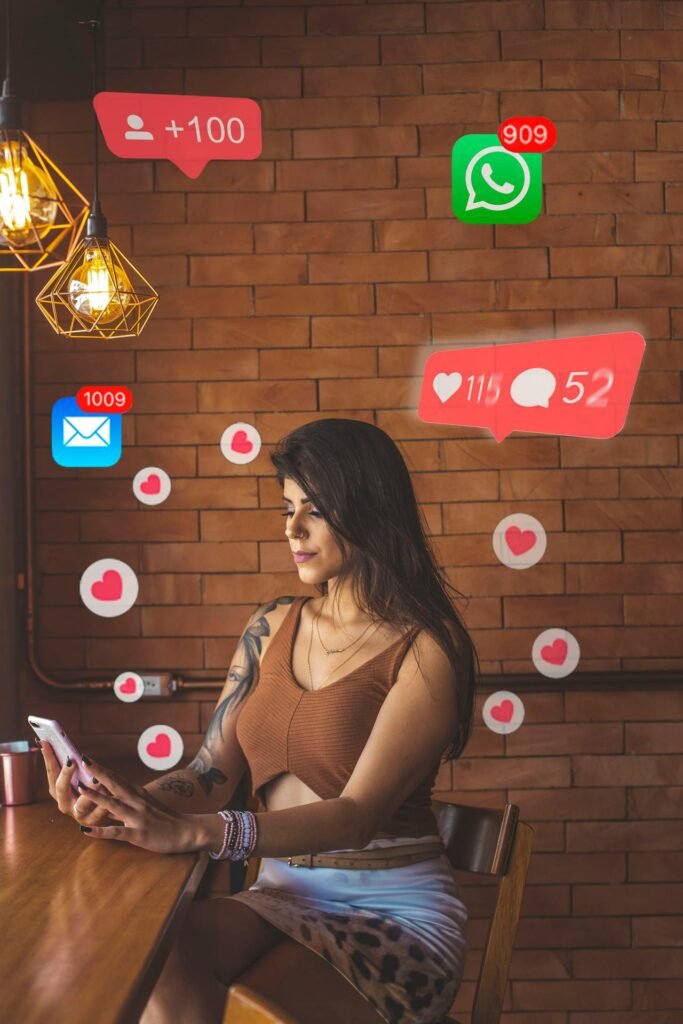
One of the most freeing things you can realise is this: access to you is earned. Just as you wouldn’t walk into someone’s home uninvited, others shouldn’t assume they have the right to occupy your time, your thoughts, or your energy.
Think of your presence like a limited-edition product. It’s not about being better than others; it’s about recognising the value you bring—and protecting it.
Your Energy Deserves Management
Your energy is your most valuable currency. Not everyone can afford it. Not everyone should. That doesn’t mean you withdraw from the world, but rather that you become selective.
Here’s why this matters:
- You perform better when your energy is preserved.
- You become more mindful in your responses.
- Your relationships deepen in quality, not quantity.
- You attract people who respect your time.
The Beauty of Intentional Distance
Creating space between you and the world isn’t isolation. It’s preparation. It’s the gap you need to:
- Think without interruption
- Create without pressure
- Heal without judgement
- Grow without external influence
Distance can be a strategy. It allows you to reconnect with your true self, away from the noise of demands and expectations.
Practical Ways to Limit Access (Without Guilt)
- Define your ‘inner circle’
Identify the handful of people who truly uplift, inspire, or understand you. Prioritise them. You don’t need a crowd—you need alignment. - Manage your digital presence
Turn off unnecessary notifications. Don’t feel compelled to reply instantly. The world won’t collapse. - Create buffer time
Schedule blank space in your week. No appointments, no catch-ups. Just time for your mind to breathe and wander. - Politely say no
Declining invitations, chats, or even some work requests doesn’t make you selfish. It makes you strategic. - Make your availability known
Whether you’re a professional or a creator, let people know when you are and aren’t available. Respect starts with clarity.
Exclusivity Builds Value
When you limit access, you automatically increase your worth. It’s not manipulation—it’s natural psychology. The less available something is, the more people value it. When you’re always online, always responsive, always “yes”—you become a convenience.
But when you are selective, grounded, and intentional, your presence becomes meaningful. You are no longer just another voice in the crowd. You are someone to be respected, remembered, and approached with care.
Summery of my message
You don’t need to be available for everyone to feel good about yourself. You need to be available for the right ones—including yourself.
You are not a public park.
You are a garden with a gate.
And the key is not free.
Choose wisely who enters. Not because you’re exclusive for the sake of pride—but because you’re exclusive for the sake of peace, purpose, and progress.