

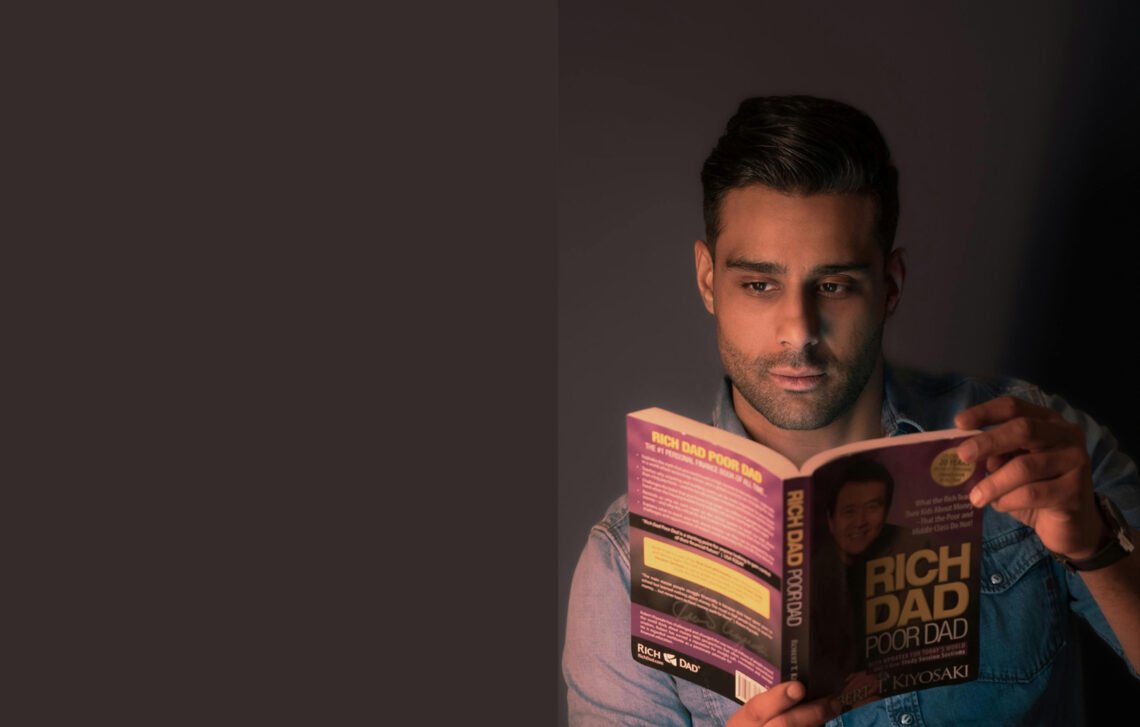
“Rich Dad Poor Dad” Book by Robert Kiyosaki and Sharon Lechter
Let me speak to you directly about a book that changed millions of lives – “Rich Dad, Poor Dad” by Robert Kiyosaki. You’re here because you’re different. You question the status quo, just like I do. You’ve felt that nagging sensation that the traditional path might be a carefully constructed cage, and you’re absolutely right.
The Broken Educational System
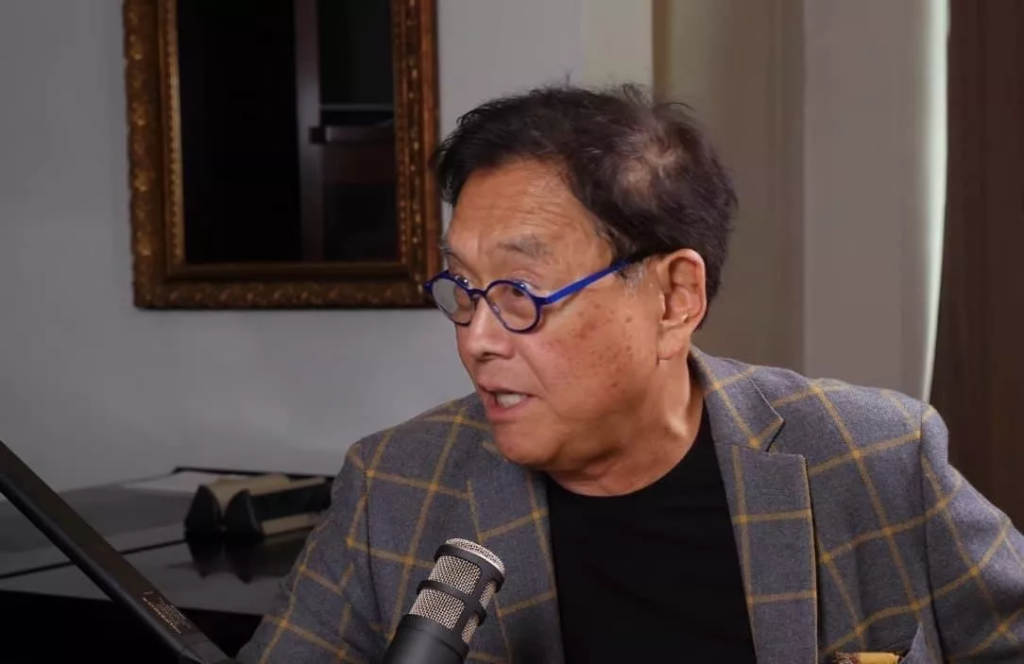
Let’s address the elephant in the room – our traditional education system. Kiyosaki boldly states what many of us have long suspected: schools are designed to create good employees, not wealthy entrepreneurs. Think about it – when was the last time your university taught you about building assets, understanding cash flow, or leveraging debt? Instead, they feed us the same tired mantra: “Get good grades, find a safe job, save money.”
I share Kiyosaki’s frustration with this system. Our schools and universities, despite their prestige and promises, are still operating on an industrial-age model. They’re preparing students for a world that no longer exists. While they focus on memorization and standardized tests, the real skills of financial intelligence and entrepreneurial thinking are left untaught.
The Growth Mindset Revolution
What makes “Rich Dad, Poor Dad” so powerful for people like us is its fundamental message about mindset. The book doesn’t just teach financial concepts; it completely rewires how you think about money, work, and wealth. Here’s what resonates most with growth-minded individuals:
- The Rich Don’t Work for Money Remember when Kiyosaki describes how the rich make money work for them? This isn’t just financial advice – it’s a complete paradigm shift. While others chase paychecks, you’ll learn to chase opportunities and assets.
- Financial Education is Self-Education The book emphasizes what we already suspect – real financial education happens outside classroom walls. Your growth mindset gives you a natural advantage here because you’re already committed to lifelong learning.
- Understanding Assets vs. Liabilities This simple but revolutionary concept changes everything. Once you grasp that your house isn’t necessarily an asset (yes, you read that right), you’ll never look at money the same way again.
The Courage to Think Differently
What truly sets “Rich Dad, Poor Dad” apart is its courage to challenge deeply ingrained beliefs. When Kiyosaki questions the wisdom of “your house is your biggest investment,” he’s not just talking real estate – he’s attacking the very foundation of middle-class thinking.
For us growth-minded individuals, this resonates deeply. We understand that challenging conventional wisdom isn’t just about being contrarian – it’s about seeking truth and better ways of operating in the world.
Breaking Free from Educational Conditioning
The most powerful aspect of Kiyosaki’s message is his criticism of traditional education’s role in limiting our financial potential. He exposes how schools:
- Focus on academic and professional skills while ignoring financial literacy
- Promote job security over financial independence
- Teach students to be good employees rather than successful entrepreneurs
- Discourage risk-taking and innovative thinking
This criticism isn’t just complaint – it’s a call to action. It’s validation for those of us who’ve felt constrained by traditional education and suspected there must be more to success than what we’re taught in school.
Your Path Forward
As someone committed to growth, you have a unique opportunity to leverage the principles in “Rich Dad, Poor Dad.” The book isn’t just about money – it’s about developing the mindset of the wealthy. This means:
- Actively seeking financial education outside traditional institutions
- Building and recognizing opportunities rather than waiting for them
- Understanding that true wealth comes from financial intelligence, not just hard work
- Developing the courage to break free from conventional thinking
The Critical Thinking Advantage
One of the most valuable aspects of the book for growth-minded individuals is how it promotes critical thinking about money. While others blindly follow financial advice from their parents or teachers, you’re learning to:
- Question common financial “wisdom”
- Analyze investment opportunities independently
- Understand the difference between good and bad debt
- Recognize patterns in financial markets and business
Remember, what makes you different is your willingness to think differently. “Rich Dad, Poor Dad” isn’t just a book – it’s validation that your instincts about education and wealth were right all along. The traditional path isn’t the only path, and often, it’s not even the best path.
Your Next Steps
As you absorb these lessons, remember that knowledge without action is meaningless. Start small, but start today:
- Begin educating yourself about assets and investments
- Look for opportunities to generate passive income
- Question your assumptions about money and wealth
- Develop your financial intelligence through practical experience
The journey ahead isn’t easy, but then again, you’ve never been interested in easy, have you? You’re here because you’re ready to think differently, grow continuously, and build real wealth – not just earn a living.
Keep growing, keep learning, and most importantly, keep questioning the status quo. The financial freedom you seek is within reach, but only if you’re willing to think differently than what traditional education has taught us.

